
Plug, Snap, Live: Click-Together Utilities for Modular Living
Today we dive into Smart Utility Backbones: Plug-and-Play Plumbing, Electrical, and Lighting for Modular Homes, revealing how factory-built manifolds, keyed electrical harnesses, and standardized lighting buses accelerate installation, minimize errors, and keep future upgrades painless. Expect practical insights, field-tested stories, and clear takeaways for builders, designers, and homeowners pursuing high performance with reassuring simplicity.
Snap-In Systems That Make Houses Click Together
When utilities are engineered as a backbone, modules arrive with mating connectors, labeled circuits, and pressure-tested lines that simply click together. This transforms chaotic job sites into calm assembly zones, compressing schedules, reducing rework, and allowing small teams to accomplish what previously demanded armies of trades and endless coordination calls.
Color-coded PEX home runs leave the plant with leak-tested crimps, isolation valves, and laser-etched labels for every fixture. On site, quick-connect unions eliminate torch work and messy flux, while balanced manifold zones reduce pressure drop, tame temperature swings, and make future fixture additions as easy as snapping in one more line.
Pre-cut, labeled harnesses with keyed plugs prevent miswiring, speed rough-in, and support clean separation between high-voltage and control wiring. Torque-limited lugs and factory-crimped ferrules protect terminations, while bundled circuits map intuitively to panel schedules, making inspections smoother and maintenance safer throughout the building’s life.
Standardized lighting backbones using 0–10V, DALI, or PoE enable fast luminaire swaps, consistent dimming, and room-by-room scene control. Quick-release brackets and pre-addressed drivers simplify commissioning, while low-voltage runs reduce conduit complexity and open a pathway to future smart sensors without ripping into finished walls or ceilings.
Designing the Backbone: From Manifolds to Microgrids
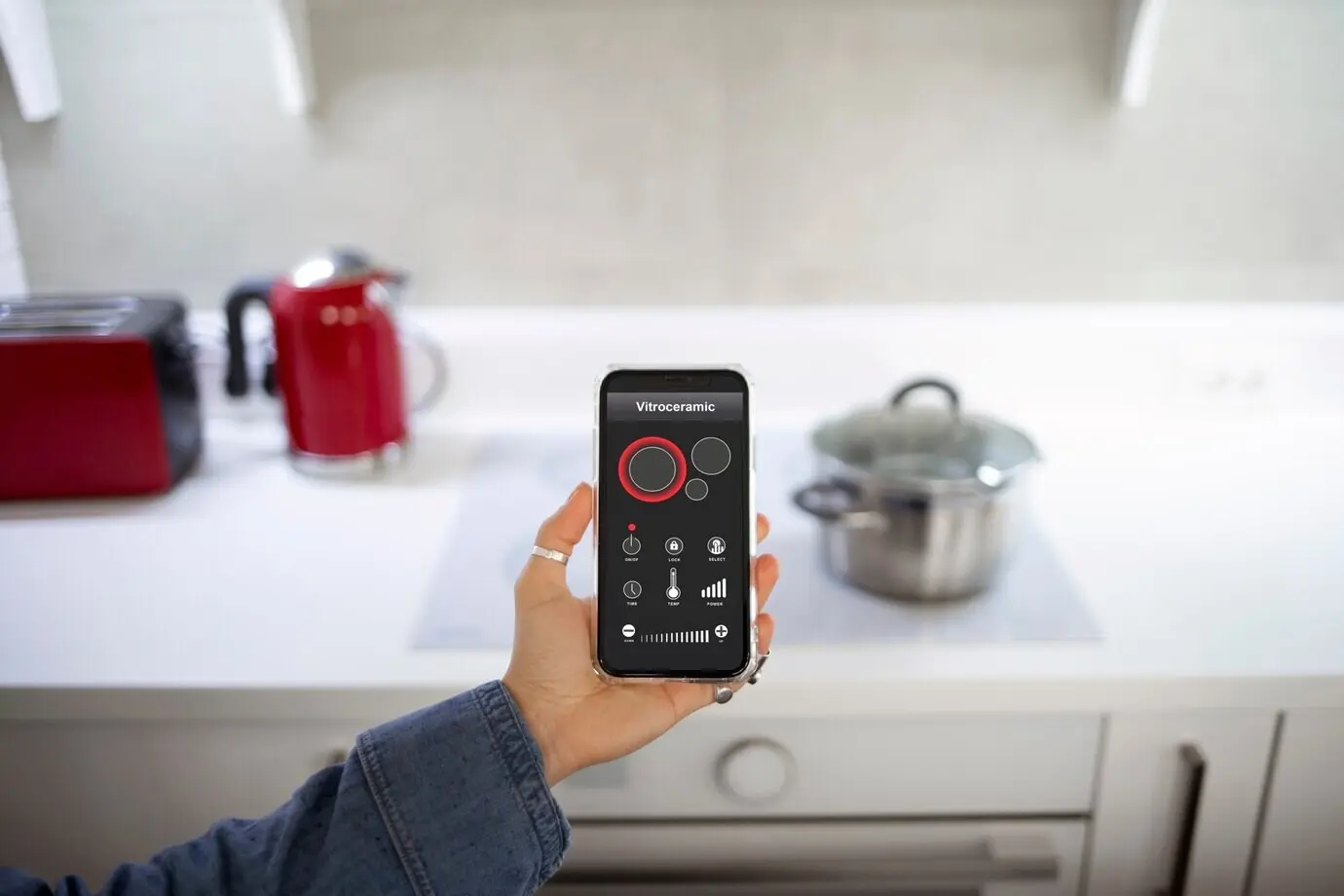
A thoughtful backbone anticipates change. Zoning for water, ringed electrical paths for resilience, and addressable lighting ensure the home adapts gracefully. Coordinate chase routes, panel locations, and maintenance access so upgrades never require demolition, and document everything with durable labels and cloud-linked as-built drawings for lasting clarity.
A Week in the Life of a Rapid Assembly Crew
Day 1–2: Set, Align, and Click
After crane set, installers align utility spines at predefined docking points. Color-coded collars and keyed connectors guide correct mating. A simple torque chart replaces guesswork, while barcode scans log each joint’s ID, time, and technician, creating a trustworthy digital paper trail for commissioning and warranties.
Day 3: Water On Without Drama
Zones are pressurized in sequence using factory test pressures. If a gauge drifts, isolation valves narrow the search to a single run within minutes. Inspections happen with clear sightlines, labeled loops, and documented test results, turning what used to be tense moments into confident confirmations.
Day 4–5: Power, Light, and Scenes
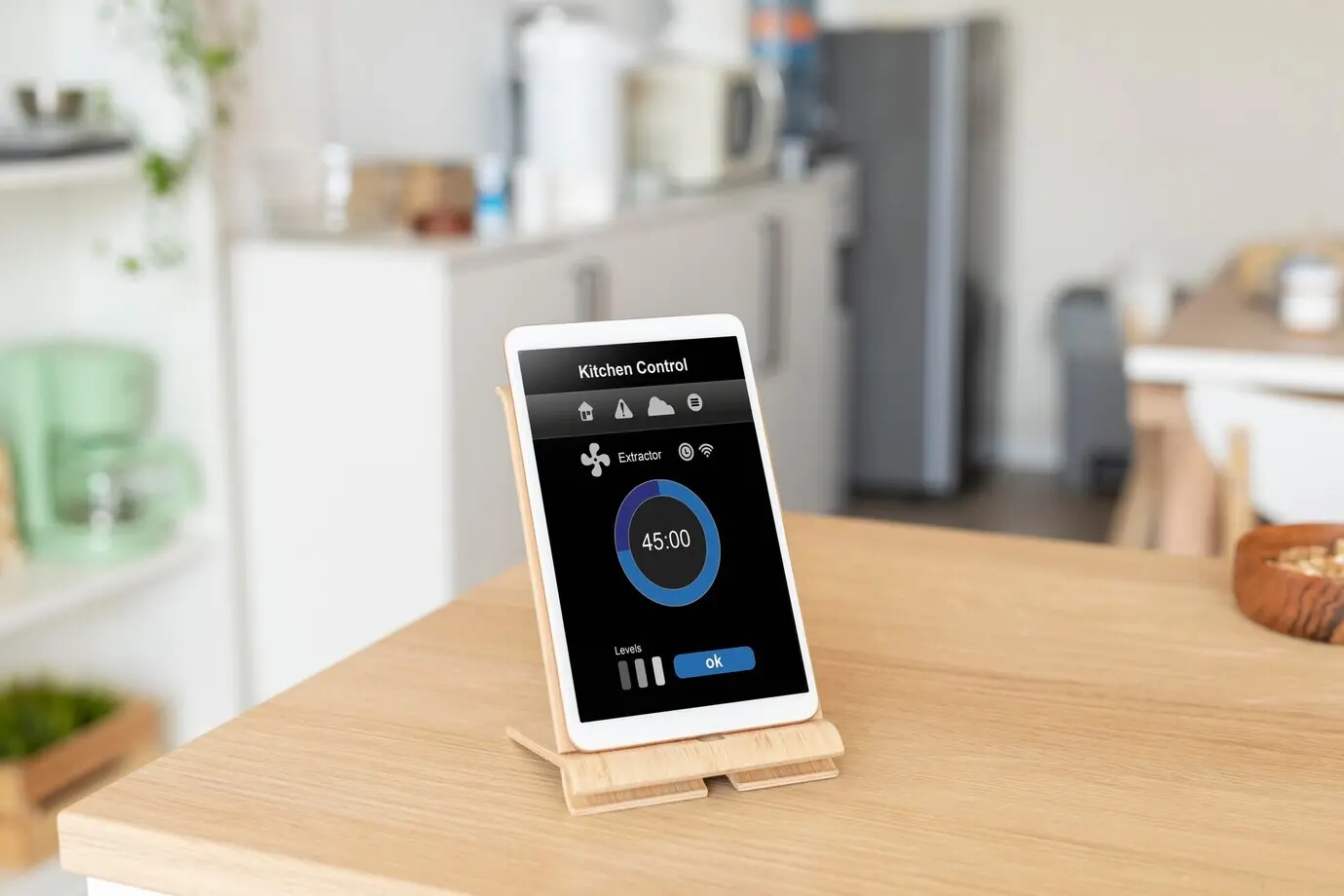
Panels accept pre-labeled harnesses, and lighting controllers discover fixtures automatically. The team walks rooms with a tablet, setting scenes for cooking, reading, and winding down. A homeowner arrives to dimmed evening warmth, not ladders and dust, tasting the comfort that precise planning reliably delivers.
Safety, Codes, and Inspector-Friendly Details
Compliance becomes smoother when backbone components are listed, labeled, and traceable. Document separation distances, support intervals, and penetrations. Provide access panels wherever a connector or valve exists. Clear labeling, torque logs, and as-built PDFs reassure inspectors that the assembly is not just fast, but demonstrably safe.
Plumbing Clarity That Speaks for Itself
Use contrasting colors for hot, cold, and recirculation, and attach permanent tags showing circuit origin and fixture destination. Firestop penetrations correctly, support lines per code, and include scald protection where required. When everything reads like a diagram, reviews become collaborative rather than adversarial.
Electrical Labeling That Prevents Guesswork
Every harness should carry circuit numbers, destinations, and load notes at both ends. Maintain bend radii, segregate low-voltage control, and torque-check lugs with recorded values. Installers love it, inspectors appreciate it, and future electricians bless the clarity when troubleshooting years after the original crew is gone.
Lighting Documentation That Guides Upgrades
Provide fixture schedules, driver locations, addressing maps, and emergency egress photometrics. Mark test points and include commissioning checklists in the electrical room. When a homeowner later asks for tunable white in the nursery, the path is an orderly upgrade, not a drywall surgery appointment.
Leak Detection With Automatic Mercy
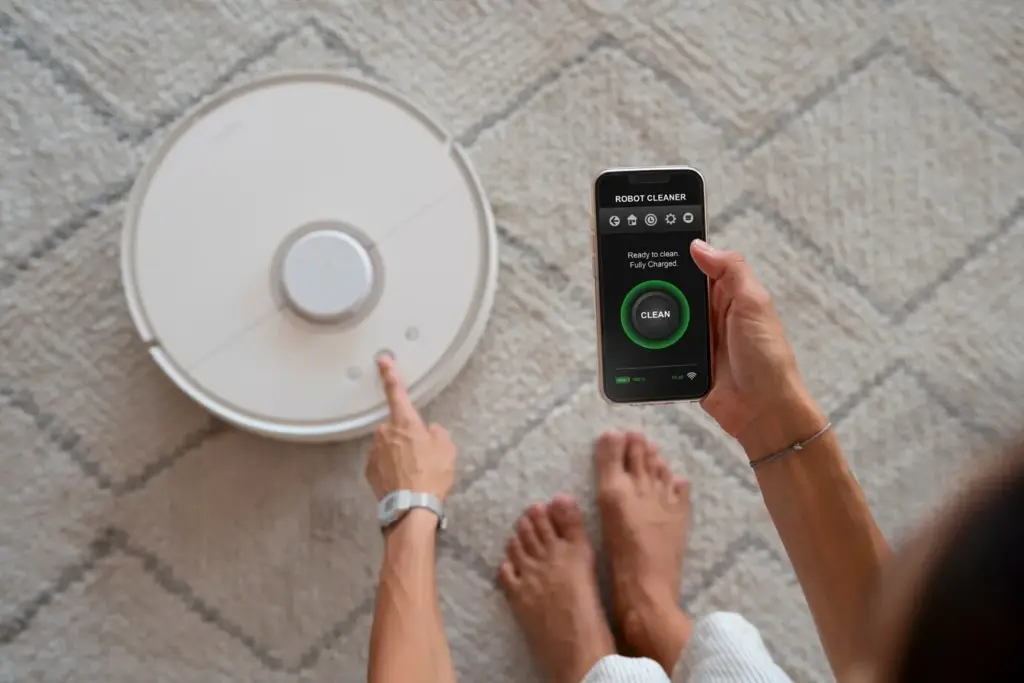
Inline sensors watch for anomalies and close valves within seconds, sparing floors, cabinets, and peace of mind. Zone-based shutoff means a bathroom mishap does not upend the kitchen. Alerts arrive with location tags, photos, and actionable steps, transforming panic into calm, informed response.

Smarter Power That Plays Nice With the Grid
Panels coordinate with inverters and batteries, shedding noncritical loads during peaks and precharging before storms. Schedules adapt to tariffs automatically. Homeowners review friendly dashboards, while technicians access deeper diagnostics, ensuring performance gains never hide behind inscrutable graphs or intimidating engineering jargon.
Cost, Time, and Carbon: The Numbers That Matter
Measured installs show days, not weeks, from set to close-in. Labor shifts from high-skill improvisation to repeatable assembly, improving safety and forecast accuracy. Shorter financing exposure and earlier occupancy compound financial benefits, turning time saved into real money rather than optimistic promises on slides.
Factory kitting slashes over-ordering and jobsite waste. Precisely cut lines, prefabricated brackets, and reusable packaging produce cleaner sites and fewer dumpsters. The result is not only greener; it is tidier, faster to navigate, and easier for inspectors to appreciate, reinforcing a culture of disciplined building.
Because interfaces are standardized, adding an induction circuit, a greywater loop, or tunable lighting remains non-destructive. Homeowners avoid throwaway renovations, and builders protect brand reputation. Longevity acts like a discount rate on waste, paying dividends in resilience, resale value, and customer satisfaction years after move-in.
Ask the Crew Anything
Drop a question about connectors, code reviews, or commissioning. We will surface answers from experienced installers and engineers who have made mistakes, learned the hard lessons, and refined the playbook so your next project benefits from their miles of wire and pipe.
Subscriber Toolbox
Get access to printable labeling templates, torque logs, panel schedule examples, and manifold zoning worksheets. These practical tools shorten meetings, align teams, and reduce surprises on site, transforming ambitious designs into smooth installations that impress clients and delight inspectors in equal measure.
Real-World Case Studies Wanted
Submit photos, timelines, and cost deltas from your builds. We anonymize data upon request and highlight tactics that truly moved the needle. Your story can help another crew avoid a pitfall, or inspire a designer to standardize a clever, repeatable detail that saves days.
Join the Build: Stories, Questions, and Future Experiments
Your experiences make this knowledge practical. Share what clicked, what jammed, and what you would redesign. Subscribe for schematics, commissioning checklists, and field tricks from crews pushing boundaries. Ask anything, challenge assumptions, and help steer upcoming deep dives into real-world details that truly matter.